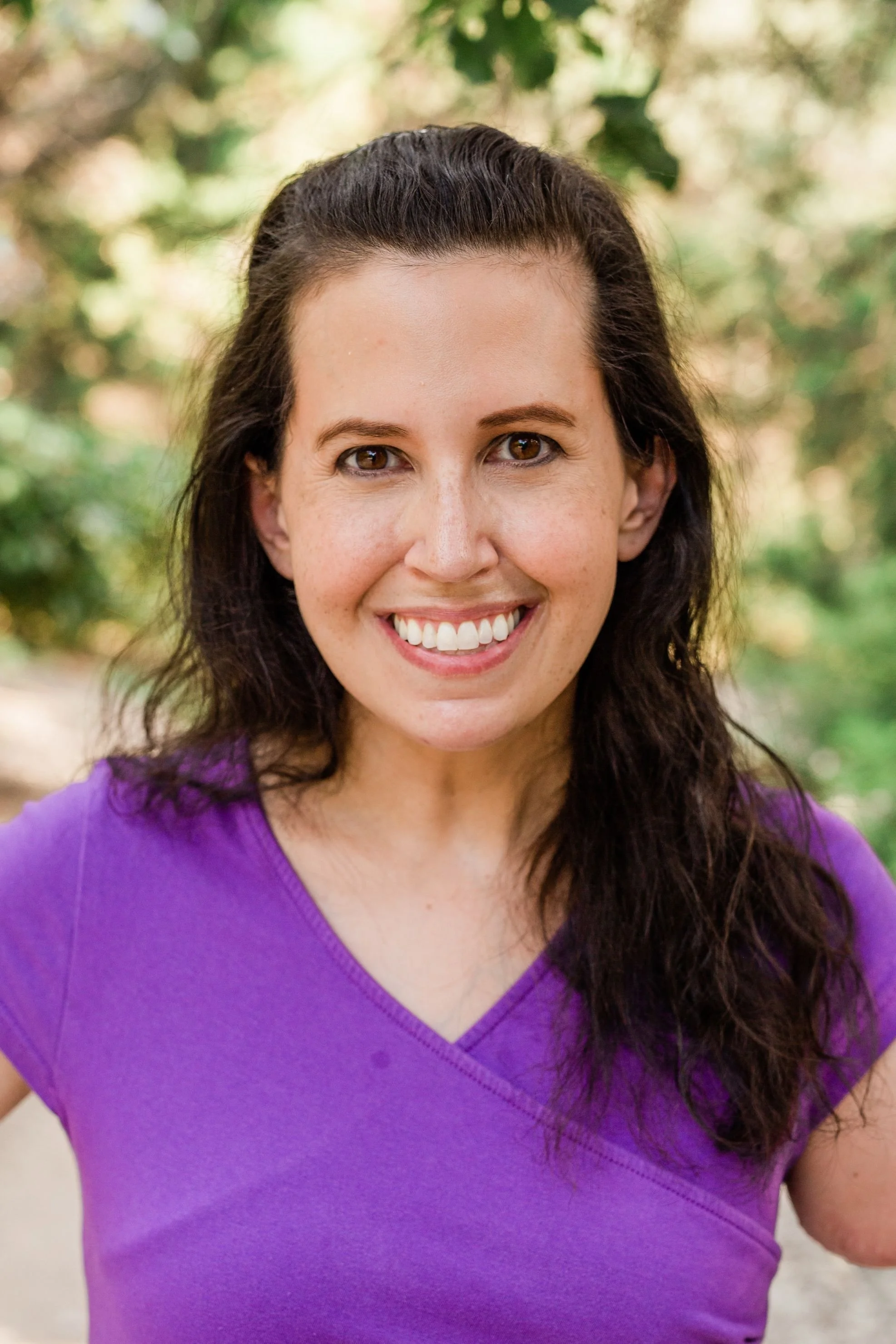
Jessica Fink is an LCSW-S (Licensed Clinical Social Worker-Supervisor, license # 50905) with 19 years of experience in the field. She is a member of the American Academy of Sleep Medicine and the Society of Behavioral Sleep Medicine.
Austin Sleep Specialist
Jessica Fink, LCSW-S
Sleep is complicated. Let's untangle it together.
If you've been told to "just practice better sleep hygiene," "go to bed earlier," or "you just need to get used to the CPAP"—and those suggestions haven't solved the problem—of course they haven't. They were never going to.
Different sleep disorders have different causes, which means they require different treatments. The first step isn't trying harder. You're already trying hard enough. It's understanding what's happening.
I specialize in helping adults make sense of and address insomnia, circadian rhythm disorders, nightmares, hypersomnia, and the barriers to CPAP use using evidence-based Behavioral Sleep Medicine.
Online therapy is available throughout Texas
A road with many dead ends
By the time they get to me, most people feel they have exhausted all possibilities. Downloaded the apps, bought expensive bedding, and tried every supplement at the grocery store. Rid their life of caffeine and screens.
They’re at their wits’ end. Not just because their sleep is poor, but because they’ve been spinning their wheels for months or years.
That’s the path that usually leads to me.
You deserve more than generic sleep advice.
Sleep problems are often treated as though they're all the same.
They're not.
Difficulty falling asleep might be insomnia—or it might be a circadian rhythm disorder. Sleeping ten hours and still feeling sleepy isn't the same as being exhausted from the stress we all have in our lives. Struggling with CPAP doesn't necessarily mean you're unmotivated; it may mean nobody has addressed the barrier that's making it difficult to use.
These things are all resolvable once we know what we’re looking at.
That’s why I spend time figuring out what’s happening with your sleep before making recommendations.
Because the treatment follows the explanation.
What is Behavioral Sleep Medicine?
Behavioral Sleep Medicine is a healthcare specialty that uses evidence-based behavioral interventions to improve sleep.
For some disorders—like insomnia, nightmares, and circadian rhythm disorders—behavioral treatment is considered first-line because it directly addresses the processes keeping the problem in place.
For other conditions—such as obstructive sleep apnea, narcolepsy, and idiopathic hypersomnia—Behavioral Sleep Medicine complements medical care. Medication, CPAP, or other medical treatments remain essential, while therapy helps address the psychological and practical challenges that medication or equipment alone can't solve.
Behavioral Sleep Medicine isn't about telling people to "try harder" or practice better sleep hygiene.
It's about uncovering why your sleep isn't working the way you want it to—and using treatments that match that explanation.
My Approach
One of the questions I hear most often is: "Why are you asking me to do that?"
I love that question. Because I believe people make better decisions when they are clear on the reasoning behind them.
If I recommend changing your sleep schedule, I'll explain why.
If we're dealing with nightmares, I'll explain why the treatment works.
If we're talking about CPAP, we'll discuss not only what the doctor recommended, but how that information applies to your life, your goals, and the barriers you're facing.
My goal isn't for you to follow instructions simply because I said so. My goal is for you to understand your sleep well enough to make informed decisions—during therapy and long after it ends.
What I help With
-
Learn why your brain may have started pairing your bed with wakefulness—and how we can build an association with sleep instead.
-
Nightmares are more treatable than many people realize. Evidence-based treatment can reduce their frequency and intensity while helping you feel less anxious about going to sleep.
-
Medication is often essential—but it's not the whole picture. Learn strategies for managing energy, navigating work or school, and improving quality of life alongside medical treatment.
-
Being a night owl isn't always a problem. But when your biological clock and your daily life are working against each other, we can help them move closer together.
-
Whether you're unsure about using CPAP, struggling with the mask, or dealing with insomnia alongside sleep apnea, treatment should begin by identifying the barrier—not just labeling you "noncompliant."
Who I Work Best With
You're the kind of person who likes to know how things work.
Many of my clients have spent years searching for answers, trying suggestions that didn't fit their situation, and wondering why they still struggle despite doing everything they were told.
If you want to make sense of what's happening—not just be handed a list of instructions—we'll probably work well together.
Working Together
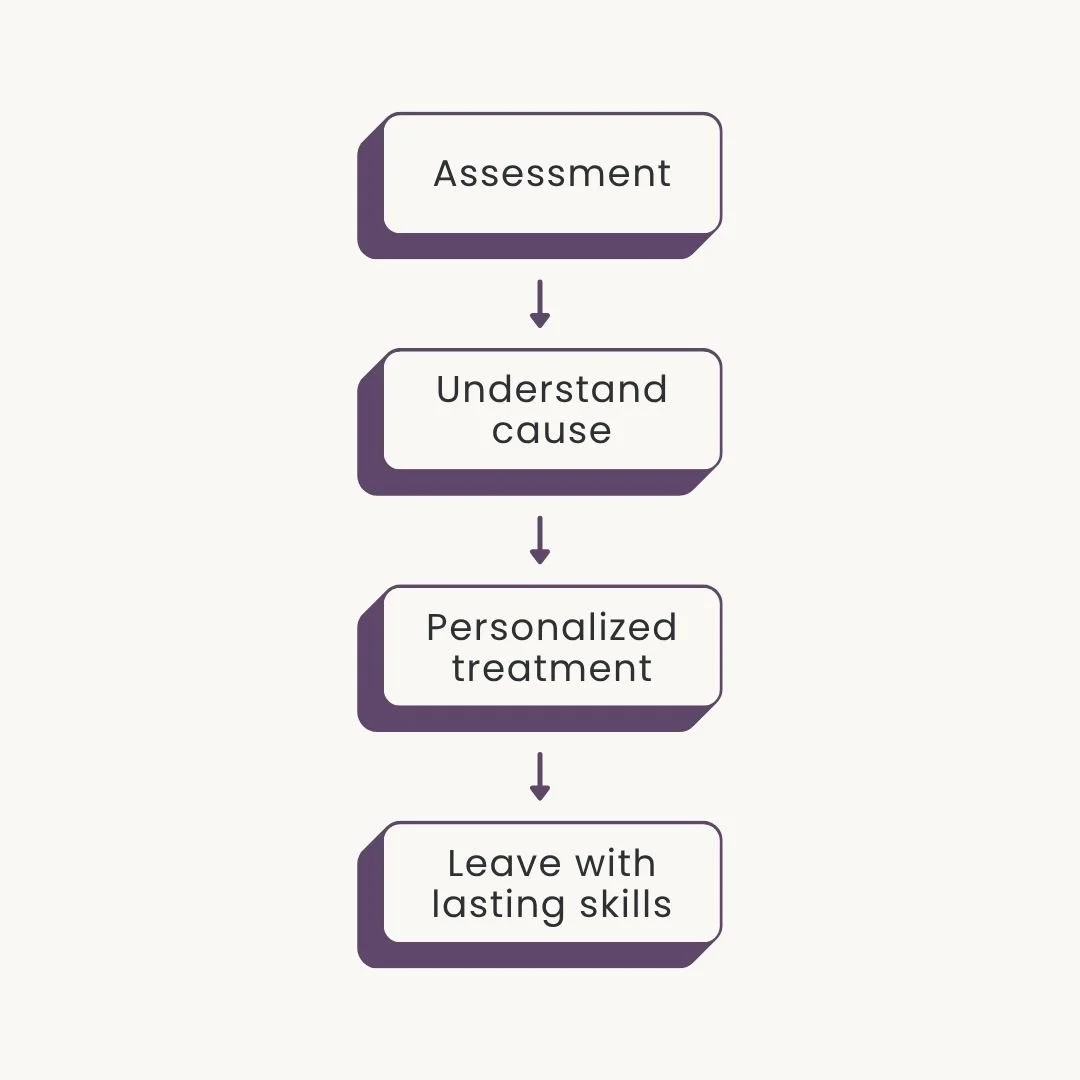
Our work starts with a careful assessment of your sleep, your history, your goals, and the factors that may be contributing to the problem.
From there, we'll build a treatment plan based on what we find—not on assumptions.
Throughout the process, I'll explain the rationale behind my recommendations so you can make informed decisions about your care.
The goal isn't for you to need me forever.
The goal is for you to leave therapy understanding your sleep better than when you arrived.
Meet Jessica Fink

My expertise has been featured in national publications, podcasts, and media outlets.
Hi, I’m Jessica! As a licensed therapist and behavioral sleep specialist in Austin, I focus on helping adults navigate insomnia, nightmares, hypersomnia disorders, circadian rhythm disorders, and CPAP adherence challenges. As a supervisor, I am approved to supervise newer social workers getting started in the field.
I spent over a decade at a psychiatric hospital in Austin, TX, working with all manner of mental health concerns (depression, anxiety, chronic pain, trauma, and more). I started to notice that almost everyone had disrupted sleep, and it seemed difficult to make headway on anything else in someone who wasn’t sleeping.
When I opened my private practice in 2021, I decided to get trained in CBT for Insomnia so I could directly address sleep complaints. I initially offered CBT-I as one of several services, but over time my practice has become more exclusively focused on sleep disorders. I now have an all-sleep practice that provides a variety of behavioral treatments for sleep disorders, and I collaborate regularly with sleep medicine providers throughout Texas.
My approach combines behavioral sleep medicine principles with practical, individualized treatment that helps you understand what's happening and what to do next.
Credentials & Training
My specialized training and ongoing involvement in the field of behavioral sleep medicine include:
Licensure
Licensed Clinical Social Worker – Supervisor (LCSW-S), Texas, #50905
Behavioral Sleep Medicine Training
Basic and Advanced training in Cognitive Behavioral Therapy for Insomnia (CBT-I)
Training in Cognitive Behavioral Therapy for Nightmares (CBT-N)
Specialized training in idiopathic Hypersomnia
Ongoing continuing education through the American Academy of Sleep Medicine (AASM) and the Society of Behavioral Sleep Medicine (SBSM), covering narcolepsy, circadian rhythm disorders, and sleep apnea
Candidate for the Diplomate of Behavioral Sleep Medicine (DBSM) — exam anticipated spring 2027; monthly consultation with a sleep psychologist ongoing as part of certification requirements
Professional Consultation & Teaching
Provide consultation and continuing education to other mental health professionals on behavioral sleep medicine topics
Teach and supervise psychiatry residents in the psychotherapy track at UT/Dell-Seton
Receive ongoing monthly consultation from a sleep psychologist as part of DBSM certification
Professional Experience
14 years at a psychiatric hospital in Austin, TX, treating depression, anxiety, chronic pain, trauma, and related conditions prior to private practice
Private practice since 2021 and now exclusively focused on behavioral treatment of sleep disorders
Regular collaboration with sleep medicine providers throughout Texas
Frequently Asked Questions for Sleep Specialist in Austin
-
Behavioral sleep medicine is the non-pharmacologic treatment of sleep disorders. In other words, using primarily behavioral changes rather than medicines to address sleep issues. Treatment may include interventions for insomnia, nightmares, circadian rhythm disorders, hypersomnia disorders, and PAP/CPAP adherence challenges.
-
100%! Cognitive Behavioral Therapy for Insomnia (CBT-I) is considered the first-line treatment for chronic insomnia and is recommended by the American Academy of Sleep Medicine as well as the American College of Physicians, the VA/DOD, the European Sleep Research Society, and the Society for Behavioral Sleep Medicine. CBT-I focuses on addressing the factors that keep insomnia going and helps people build healthier sleep patterns over time.
-
Insomnia involves difficulty falling asleep and/or staying asleep, as well as anxiety around sleep. Circadian rhythm disorders involve a mismatch between your body's internal clock and the schedule you're trying to follow. Although they can look similar, the treatment approaches are often different. It’s also possible to have insomnia develop on top of a circadian rhythm disorder.
-
I’m sure you have. People don’t usually come to me first. Most come to me after trying melatonin, other supplements, sleep hygiene advice, meditation apps, prescription medications, or therapy that was not specifically focused on behavioral sleep medicine. That is a very common starting point. Sometimes sleep problems persist because the factors maintaining them haven't been identified and addressed. Treatment begins with understanding what's contributing to the problem and developing a plan tailored to your specific situation.
-
Yes. I provide online therapy for adults throughout Texas using a secure, HIPAA-compliant platform. As long as you're located in Texas at the time of your session, we can work together.
-
While I do not diagnose or medically treat sleep apnea, I help people who are struggling to adjust to PAP/CPAP therapy and address insomnia or other sleep-related concerns that often occur alongside sleep apnea.
Schedule a Consultation
Ready to take the next step?
Schedule a consultation to discuss your concerns, ask questions, and determine whether behavioral sleep medicine may be a good fit.